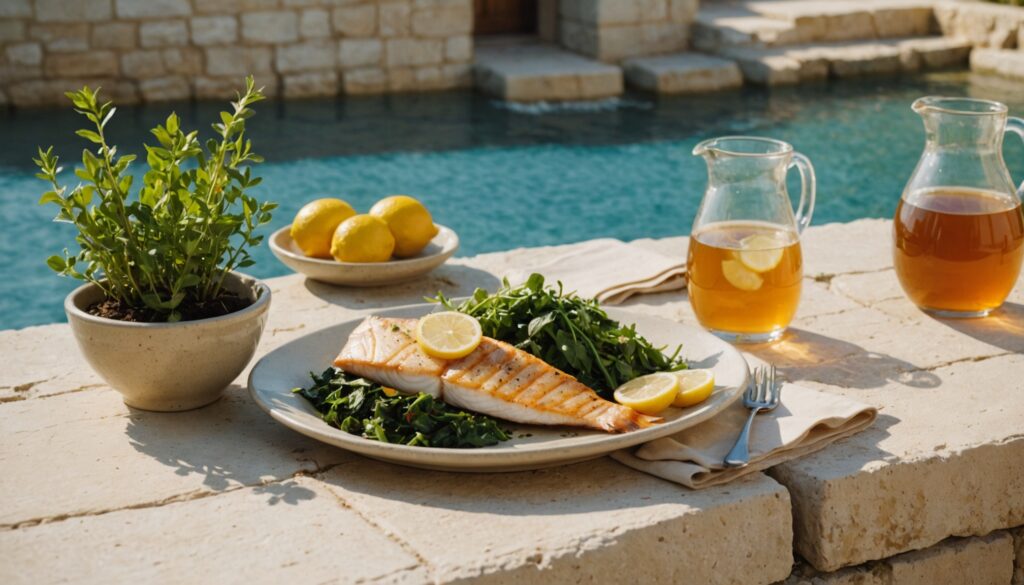
Yes, you can eat out in Malta with a sensitive gut, and it usually comes down to a little planning rather than avoiding restaurants altogether. Choosing simpler dishes, asking for small changes and paying attention to portion size, speed and drinks can make a meal feel more comfortable. What bothers one person may not bother another, so the aim is to learn your own pattern.
Why does eating out feel harder with IBS or a sensitive stomach?
Restaurant food often differs from home cooking in ways that matter to a sensitive gut. Portions are larger, dishes are richer, sauces are heavier and the meal tends to run late. Add a glass of wine, a coffee and a stressful day, and several possible triggers arrive together.
Research on irritable bowel syndrome (IBS) shows how common food-related worry is. One review notes that IBS affects around 5.7% of the general population and that most people with IBS link their symptoms to what they eat (Dimidi and Whelan, 2020). Another review reports that diet triggers symptoms in the vast majority of people with IBS (Rej et al., 2019). Even so, food is only part of the picture. Reviews also point to factors such as how the gut ferments certain food components, changes in the gut microbiota and the nocebo and placebo response (Haller and Scarlata, 2021). In other words, expecting a meal to go badly can itself play a part.
If you have not had a diagnosis, do not assume your symptoms are IBS. Bloating, pain or changes in bowel habits can have other causes, so it is worth speaking to your GP or pharmacist.
How can you prepare before you go?
A few minutes of preparation can take much of the stress out of the evening.
- Look at the menu online. Most restaurants in Valletta, Sliema, St Julian’s and Gozo post menus, so you can choose in advance.
- Do not arrive ravenous. A small, familiar snack in the afternoon makes it easier to eat slowly and stop when you are comfortably full.
- Book earlier if you can. A very late, large dinner suits some people less well, though this varies from person to person.
- Take your usual routine with you. If you already use something recommended by your GP or pharmacist, keep to it as advised.
Stress and digestion are closely linked, so a calmer start helps too. Our article on the gut-brain link explains why.
What can you order at Maltese and Mediterranean restaurants?
The Mediterranean table has plenty of gentle options. A Mediterranean-style way of eating is also one of the dietary patterns discussed in the IBS literature (Jayasinghe et al., 2024). The trick is knowing which dishes tend to be simpler and which are more likely to be rich or heavily seasoned.
Dishes that are often simpler
- Grilled or baked fish, such as lampuki in season, with plain vegetables or a green salad.
- Grilled chicken with potatoes or rice.
- Simple pasta with a light tomato sauce, if you ask for a small portion.
- Soups based on vegetables or clear broth, if you know the ingredients suit you.
Dishes to think about more carefully
- Pastizzi, qassatat and fried snacks. They are tasty but rich, and a large fatty meal bothers some people.
- Stuffat tal-fenek, bragioli and other slow-cooked stews. These are often made with onion and garlic, which many people with IBS find difficult. Ask how they are prepared.
- Kapunata, timpana and creamy pasta bakes. These can be heavy, and the ingredients vary from kitchen to kitchen.
- Buffets and tasting menus. It is easy to eat more, and faster, than you planned.
None of these foods is bad. If you love them, you might share a portion, choose a smaller one or save them for a day when you feel settled.
How do you ask for changes without feeling awkward?
Most restaurant teams in Malta are used to special requests, and polite, specific questions usually get a helpful answer. Clear requests work better than long explanations.
- “Could I have the sauce on the side?”
- “Is this made with a lot of onion or garlic?”
- “Could I swap the chips for boiled potatoes or a salad?”
- “Is a smaller portion possible?”
If you follow a specific plan such as the low FODMAP diet, remember that it is a short-term, structured approach and not a lifelong list of banned foods. Reviews describe it as the diet with the most evidence for managing IBS symptoms, but also stress that advice should be individualised and that restrictive eating can become unhelpful for some people (Haller and Scarlata, 2021; Rej et al., 2019). Our guide to the low FODMAP diet explains how it works, and a registered dietitian can help you follow it safely.
Do drinks and eating habits matter as much as the food?
Often they do. What you drink and how you eat can change how a meal feels.
- Eat slowly. Long, relaxed Maltese meals are a good model. Put your fork down between bites and talk.
- Watch fizzy drinks. Sparkling water, fizzy soft drinks and beer can add to a feeling of fullness for some people.
- Think about alcohol and coffee. Both affect some people’s digestion. Notice how you respond rather than following a rule. We look at this in our articles on alcohol, gut and skin and coffee and your gut.
- Keep a simple diary. Note the dish, portion, drinks, stress level and symptoms. Patterns are more useful than single bad evenings.
Be careful not to let worry about food take over. Reviews warn about maladaptive eating patterns in people with IBS (Haller and Scarlata, 2021), so if you find yourself avoiding social meals or cutting out more and more foods, talk to a health professional.
When should you see a doctor?
Speak to your GP promptly if you notice any of the following:
- blood in your stools or black stools
- unexplained weight loss
- symptoms that wake you at night
- a new and persistent change in bowel habits, especially after the age of 50
- severe or worsening pain, persistent vomiting or difficulty swallowing
Supplements and special diets are not a replacement for a proper medical assessment.
Frequently asked questions
Is Maltese food bad for IBS?
Not as such. Much of the local cuisine, such as grilled fish, vegetables and simple pasta, is gentle for many people. Richer dishes and those with lots of onion or garlic may bother some, and individual triggers vary.
Should I follow the low FODMAP diet when eating out?
Only if it has been recommended for you, ideally with a dietitian. It is meant to be a structured, temporary approach with later reintroduction, and not a permanent way of eating (Haller and Scarlata, 2021).
Can stress or anxiety make restaurant meals worse?
It can. The gut and brain communicate closely, and expectations can influence symptoms, which is why reviews mention the nocebo response. Slowing down and preparing ahead can help you feel more at ease.
Does tap water or bottled water matter when dining out?
It depends on personal preference and tolerance. If you are curious, see our article on Malta tap water and digestion.
References
- Diet interventions for irritable bowel syndrome: separating the wheat from the chafe (2021)
- Food supplements and diet as treatment options in irritable bowel syndrome (2020)
- The role of diet in irritable bowel syndrome: implications for dietary advice (2019)
- The role of diet in the management of irritable bowel syndrome: a comprehensive review (2024)
This article is for general information and is not a substitute for personal medical advice. It comes from Brasil Botanique, the wellness brand behind this blog, which is being created for women in Malta.