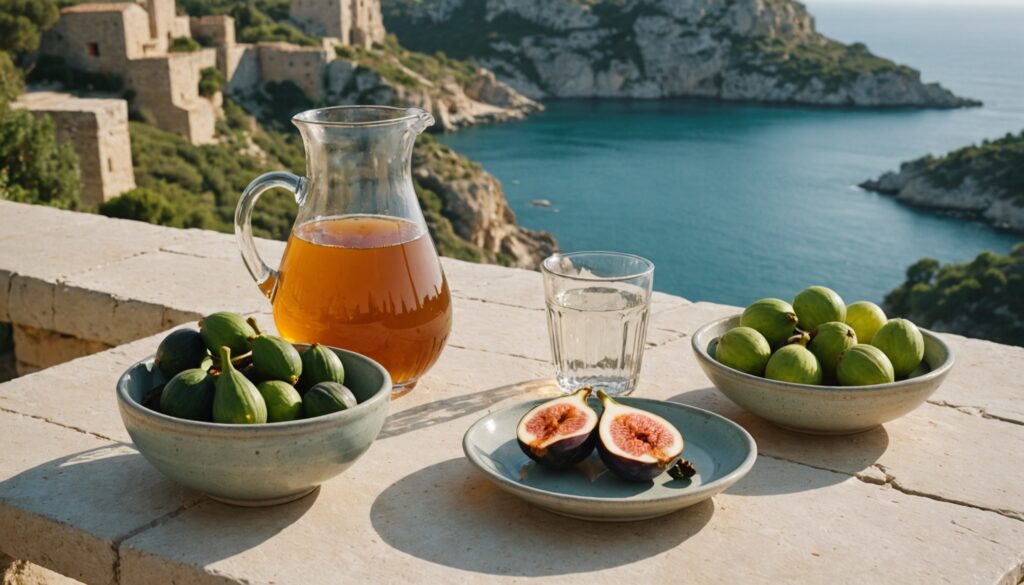
For most healthy adults, there is no good evidence that Malta’s tap water, which is regulated to EU drinking-water standards, harms digestion. Taste, hardness, a sudden change of water after moving, and how water is stored at home can still make a difference to how your gut feels. Persistent symptoms are better checked than blamed on the tap.
Where does Malta’s tap water come from?
Malta has few natural freshwater sources. Its supply combines groundwater drawn from underground aquifers with seawater that has been desalinated by reverse osmosis. The two are blended and treated before reaching your home. Many newcomers notice a slight chlorine smell or a faintly salty or mineral taste, which is usually a matter of preference rather than a health concern.
Drinking water in Malta is tested regularly under EU rules. If you have concerns about a specific area or building, the water utility and your local health authority are the right places to ask. Online anecdotes are not.
What does the research actually say?
It helps to be clear about what the evidence does and does not cover. One of the most robust pieces of research on water and gut health is a 2022 systematic review and meta-analysis published in The Lancet. It examined whether improving drinking water, sanitation and handwashing with soap reduces diarrhoeal disease in children in low-income and middle-income settings.
This work matters because it confirms that unsafe water, poor sanitation and poor hygiene are important drivers of infectious diarrhoea where those systems are weak. But it was carried out in a very different context from Malta, and it studied children rather than adult women. We cannot use it to claim that Malta’s tap water causes or prevents digestive problems. As far as we know, there is no solid research showing that Malta’s regulated tap water causes bloating, constipation or IBS in healthy adults.
The takeaway is practical rather than alarming. Water safety matters most when water is contaminated or poorly handled, and that is where Malta homes can differ from one another.
Can hard water affect your gut?
Malta’s water is hard, meaning it carries dissolved minerals, mostly calcium and magnesium, from the limestone the islands sit on. Hardness is well known for limescale on kettles and its effects on hair and skin, which we cover in our article on Malta’s limestone water and your hair and skin.
For digestion, the picture is much less clear:
- Magnesium: in high doses, magnesium can loosen stools, which is why some supplements and laxatives contain it. Whether the amount in tap water is enough to change bowel habits in most people has not been established, so it is a possibility rather than a proven effect.
- Calcium: there is no convincing evidence that the calcium in hard water causes constipation in healthy adults.
- Bloating: we have no reliable research linking hard tap water to bloating. Food choices, stress, hormones and eating speed are far more common culprits.
Why might your digestion change after moving to Malta?
Many expats report that their gut behaves differently in the first weeks or months. The water may play a small part for some people, but it is rarely the only factor. Other likely contributors include:
- Heat and hydration: hot summers increase fluid loss. If you drink less than you need, stools can become harder and constipation more likely.
- A new diet: more olive oil, raw salads, legumes, fresh fruit, bread and pastizzi can all shift how your gut feels, especially if your fibre intake changes suddenly. Our guide on how much fibre women need each day can help you adjust gradually.
- Stress and routine: relocation, new jobs and disrupted sleep all affect the gut-brain axis.
- A change of water: a different mineral content or taste may cause temporary changes in some people, though this is not well studied.
If constipation is your main issue, our article on constipation when travelling offers tips that also suit people settling into a new country.
How to look after your water at home
Because contamination, where it happens, often occurs after water leaves the main network, home arrangements are worth checking.
Check storage and plumbing
- Many Maltese properties store water in roof tanks. If tanks are old, uncovered or rarely cleaned, water quality at the tap can suffer. Ask your landlord or building manager when the tank was last cleaned.
- If water looks cloudy, smells unusual or tastes different from one day to the next, report it rather than ignoring it.
- Use water from the cold tap for drinking and cooking, and let it run briefly if it has been standing in pipes.
Filters and bottled water
- Jug or under-sink filters can improve taste by reducing chlorine, and some reduce limescale. Follow the maker’s instructions and replace cartridges on time, as a neglected filter can become a hygiene problem itself.
- Bottled water is a matter of preference and convenience. It is not automatically better for your gut, and it adds cost and plastic waste.
Support hydration
- Keep a bottle within reach and drink regularly through the day, more in hot weather or after exercise.
- Water-rich foods such as cucumber, melon, tomatoes and soups also contribute.
- Pair fluids with fibre-rich foods. Fibre needs water to work well, as we explain in our piece on the Mediterranean diet and your microbiome.
When to see a GP or pharmacist
Do not put persistent digestive symptoms down to the water without checking. Speak to a GP or pharmacist if you have:
- Diarrhoea lasting more than a few days, or recurrent episodes
- Blood in your stools, black stools or severe abdominal pain
- Fever, persistent vomiting or signs of dehydration
- Unexplained weight loss or a marked, lasting change in bowel habits
- Bloating that is persistent, worsening or comes with other symptoms
If several people in your household or building are unwell at the same time, tell your GP, as that may point to a shared source that should be investigated.
Frequently asked questions
Is Malta tap water safe to drink?
Tap water in Malta is regulated and monitored under EU drinking-water rules, and many residents drink it daily. Taste varies, and storage in older roof tanks or plumbing can affect quality at your tap, so it is worth checking your own set-up.
Can hard water cause constipation or bloating?
There is no solid evidence that hard tap water causes constipation or bloating in healthy adults. Diet, hydration, stress, hormones and medical conditions are far more likely explanations.
Do I need a water filter in Malta?
Not necessarily. A filter can improve taste and reduce limescale, but it is a matter of preference. If you use one, maintain it as directed.
Why does my stomach feel different since I moved to Malta?
Changes in climate, hydration, diet, routine and stress are all common after a move, and a different water supply may play a small part. If symptoms last more than a few weeks or are severe, see your GP or pharmacist.